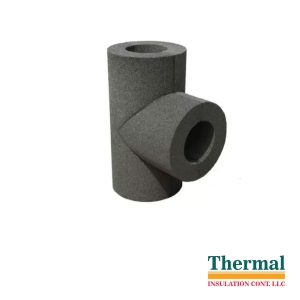
Foam Glass/ Cellular Glass
Contact Person
Mr Jishid
Foam Glass Insulation
Foam Glass Insulation is also known as cellular glass insulation. It’s a lightweight, rigid material made of millions of sealed glass cells.
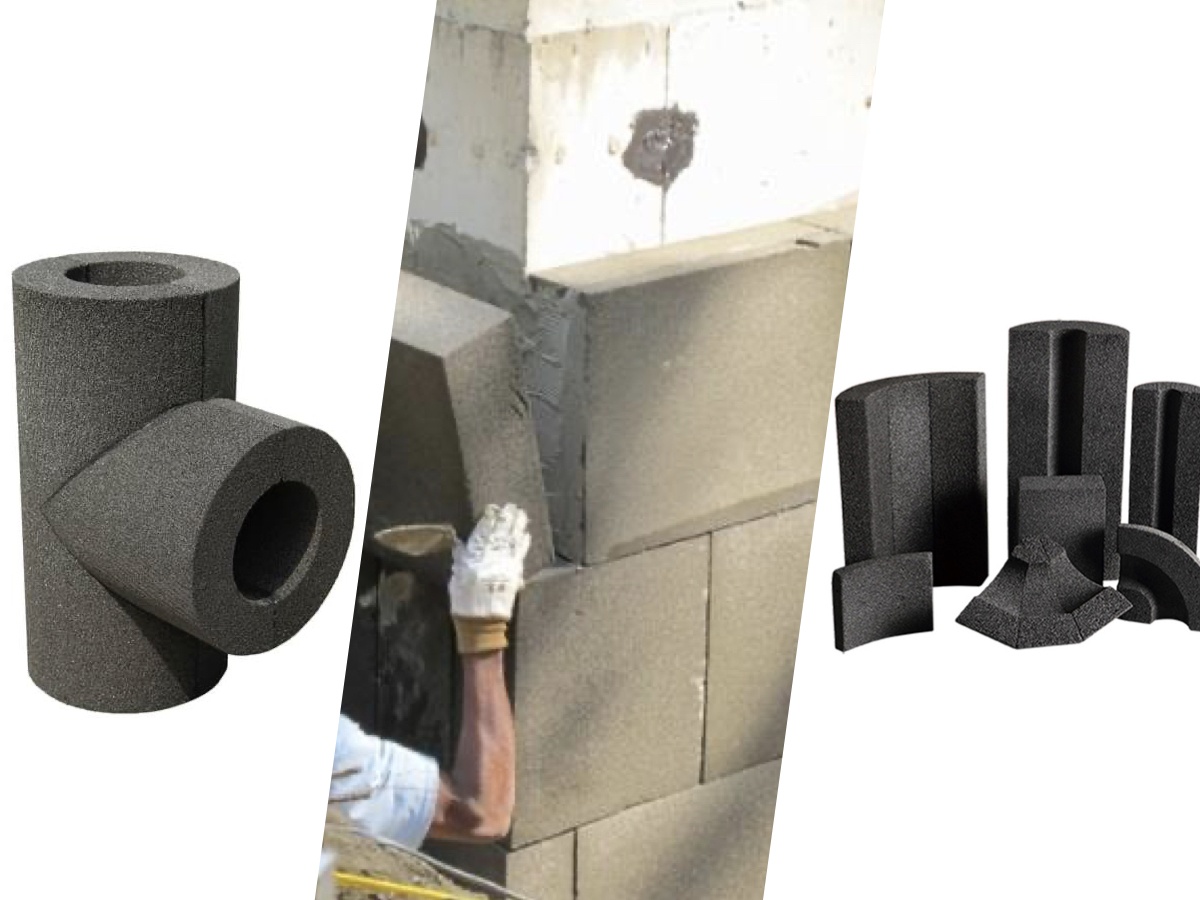
Manufacturers make foam glass in block form. Then, they cut it into a wide range of shapes and sizes for industrial and commercial use.
Key Properties
Foam glass insulation offers strong performance benefits:
- Moisture resistant – It has a closed-cell structure that blocks liquid and vapor. Therefore, it gives long-term, stable insulation.
- Fireproof – It’s 100% glass with no binders or fillers. So, it cannot burn or absorb flammable liquids.
- Chemical resistant – Common chemicals and corrosive atmospheres do not affect it. Additionally, it does not cause metal corrosion.
- Weather stable – Temperature changes and humidity do not affect it. It will not swell, warp, shrink, or distort.
- Extreme temperature range – The insulation stays intact even in cryogenic conditions.
- Pest resistant – It resists vermin, microbes, and mold.
- High load-bearing – It withstands loads that crush most other insulating materials.
- Eco-friendly – The product contains no CFCs or HCFCs. As a result, it counts as a sustainable construction material.
Fire and Safety Benefits
If a fire breaks out, foam glass helps protect people and equipment. It aids in containing or suppressing flames.
Furthermore, in a properly designed piping system, it removes the need for special treatment at pipe cradles. It also provides a fire base for roof membranes, jacketing, or vapor retarders. This can extend their service life.
Operating Range
Cellular glass insulation systems suit a wide range of piping and equipment. They work at temperatures from -268°C to 482°C (-450°F to 900°F).
Applications
Foam glass insulation fits many uses, including:
- Cryogenic systems
- Low temperature pipes, equipment, tanks, and vessels
- Medium and high temperature pipes and equipment
- Hot oil and hot asphalt storage tanks
- Heat transfer fluid systems
- Hydrocarbon processing systems
- Chemical processing systems
- Above ground and underground steam and chilled water piping
- Commercial piping and ductwork
Standards
Cellular foam glass meets ASTM C 552, ASTM C 1639, and EN 14305 standards. Therefore, it suits a wide range of project requirements.